In April 2007, science magazines around the world reported findings of a prehistoric skull in the remote archipelago of Svalbard. The remains were said to belong to an aquatic dinosaur “with teeth larger than cucumbers,” “Large enough to pick up a small car in its jaws,” one of the scientists was reported saying. So large that “T. rex was a kitten compared with this monster.” It was named Predator X and touted “one of the most significant Jurassic discoveries ever made.”
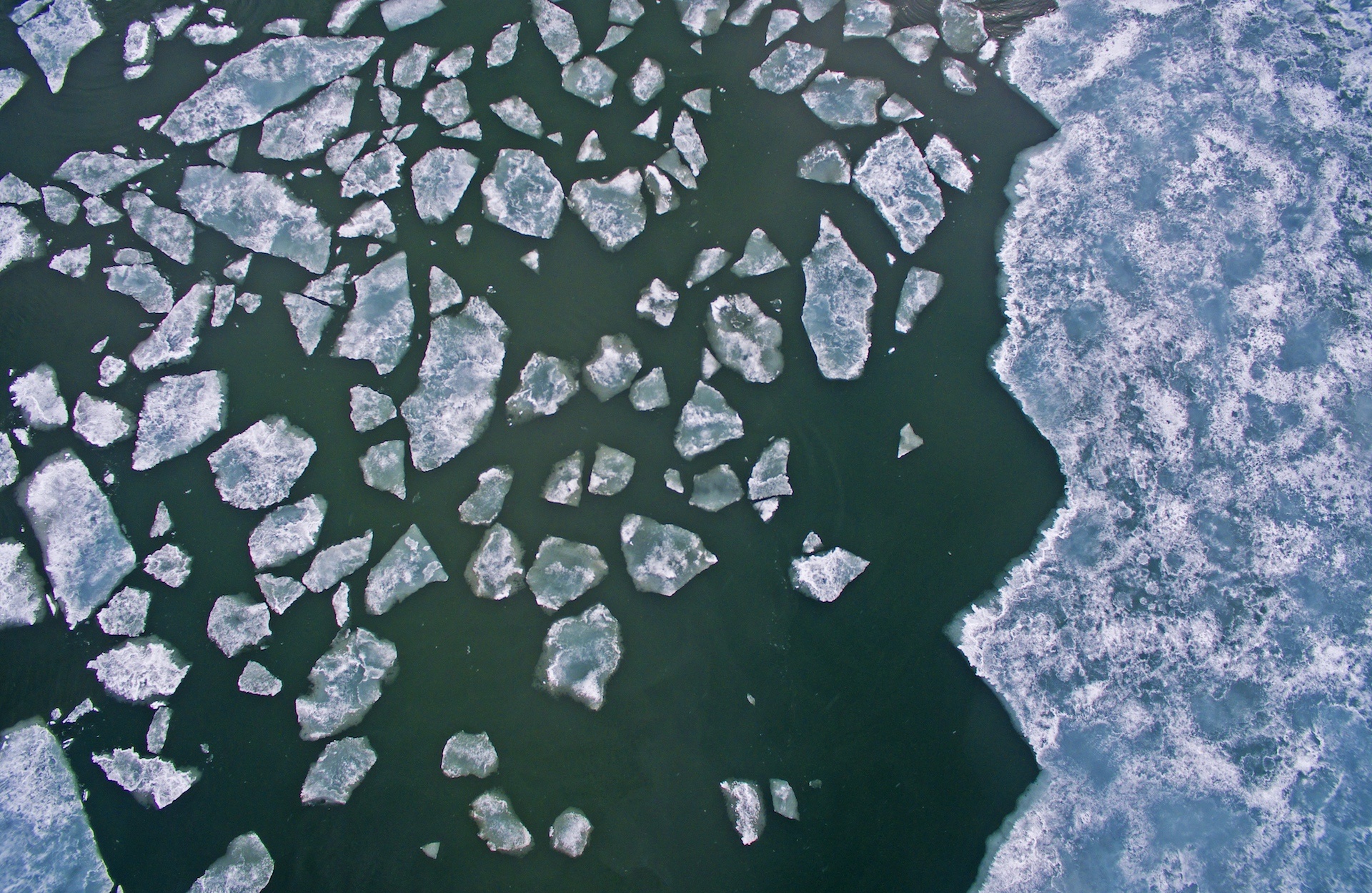
The modern-day predators of Svalbard are relatively smaller, but still quite fierce—they have to be, to survive the extreme weather in the Arctic. Svalbard is a cluster of islands spread over 61,000 square kilometres between Norway and the North Pole. Save for a few islands, this is a landscape of water and ice, dotted with pale, blue glaciers and ice floes as large as city blocks. It is also a landscape that is melting, a little more every year.
The effects of climate change on Svalbard are varied. In the town of Longyearbin—the only human settlement in the region—architects are reconsidering building techniques as foundation can no longer be built into the ice. In the wild, walrus and polar bears are having to change their feeding patterns: With sea ice shrinking, these predators have fewer perches to rest on long hunts, some of which last for days. Land masses are fewer and farther between, so they are now seeking food sources closer to the coast.
Less surface ice also means more light penetrating the water beneath, which comes with its own changes to the marine habitat (more algae for instance). But most significant of all—at least to us humans—is that the water levels are rising, and valuable freshwater reserves that have been trapped in glaciers for thousands of years, are melting and mixing with seawater.
To understand how climate will impact this ecosystem, it is important to first understand the habitat and its varied inhabitants. To this end, wildlife photographer Dhritiman Mukherjee spent ten days exploring Svalbard’s islands, fjords, and waters. More specifically, it’s underwater residents.

Ice in the Arctic is divided into two kinds: Icebergs formed from fresh water, and sea ice formed when saline ocean water freezes. They have different density levels, which impacts the clarity in these waters.
Even with a dry suit, thermals, and gloves to keep hypothermia at bay, divers cannot stay under the surface for longer than 40 minutes. “The impact of ice diving on the body is incredible,” Dhritiman says. “Swimming in these waters, I realise how ill-equipped my body is for this habitat.” In addition to the cold, the clarity isn’t great either, and ranges between two and ten metres.

The animals that live here, have evolved to suit the environment. Walrus, for example, rely on their sense of hearing and touch (rather than eyesight) to navigate these waters. Their whiskers, also known as vibrissae, have heightened sensitivity and their ears can detect sounds from over a kilometres away. They employ these advantages to hunt for molluscs, bivalves, and occasionally fish, and can dive to depths of 50 metres to find food.
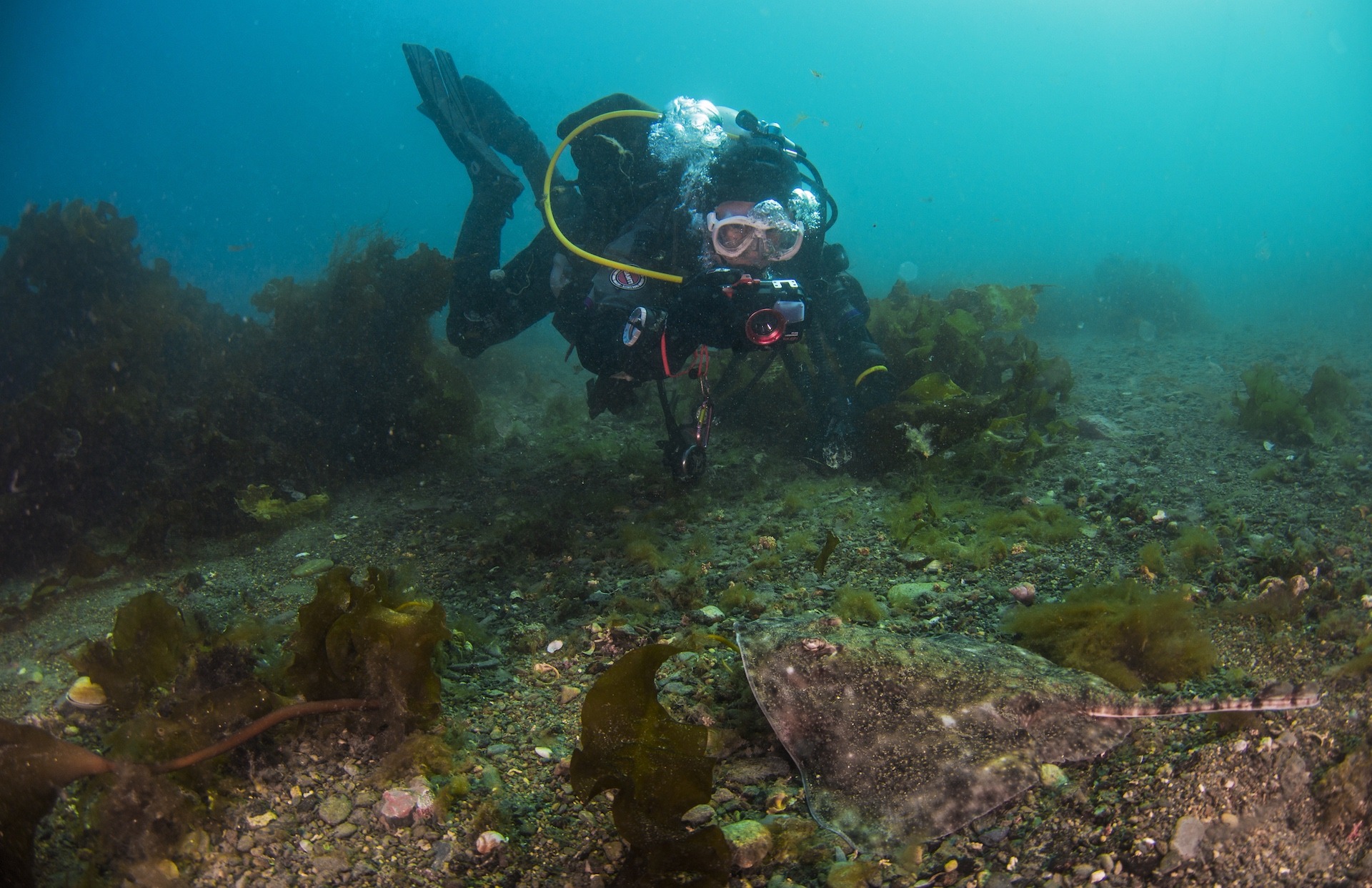

The Arctic ray has its own modus operandi: Its mouth is equipped with sensors that can detect the natural charges of clams and molluscs, which it is uses to identify its prey. To avoid becoming prey, it relies on its ability to merge into the ocean floor.
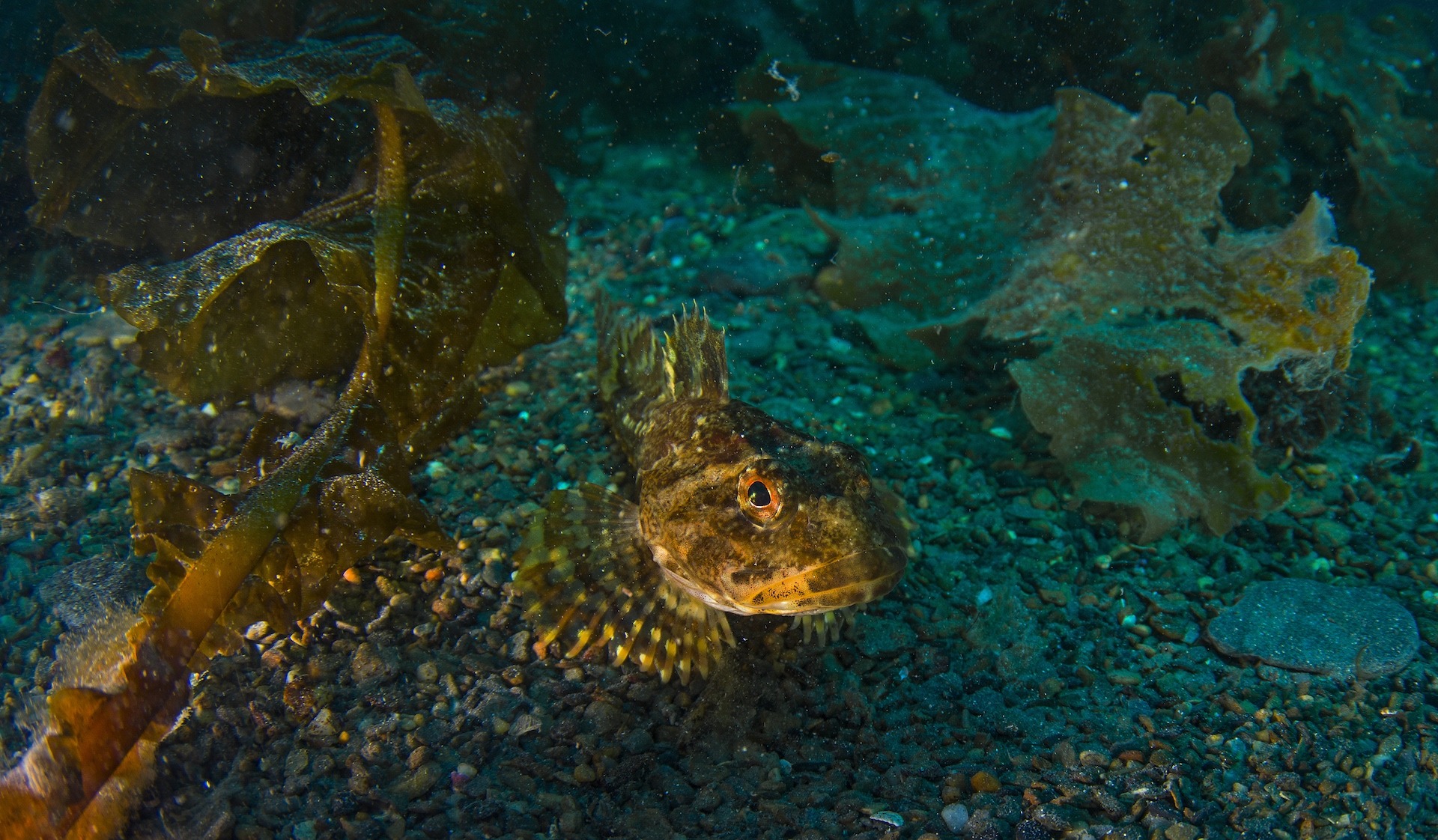
Like the ray, the Arctic sculpin too relies on camouflage, hiding among kelp forests when predators approach. This fascinating fish has the ability to tolerate temperatures below freezing, due to antifreeze proteins in its body tissue.

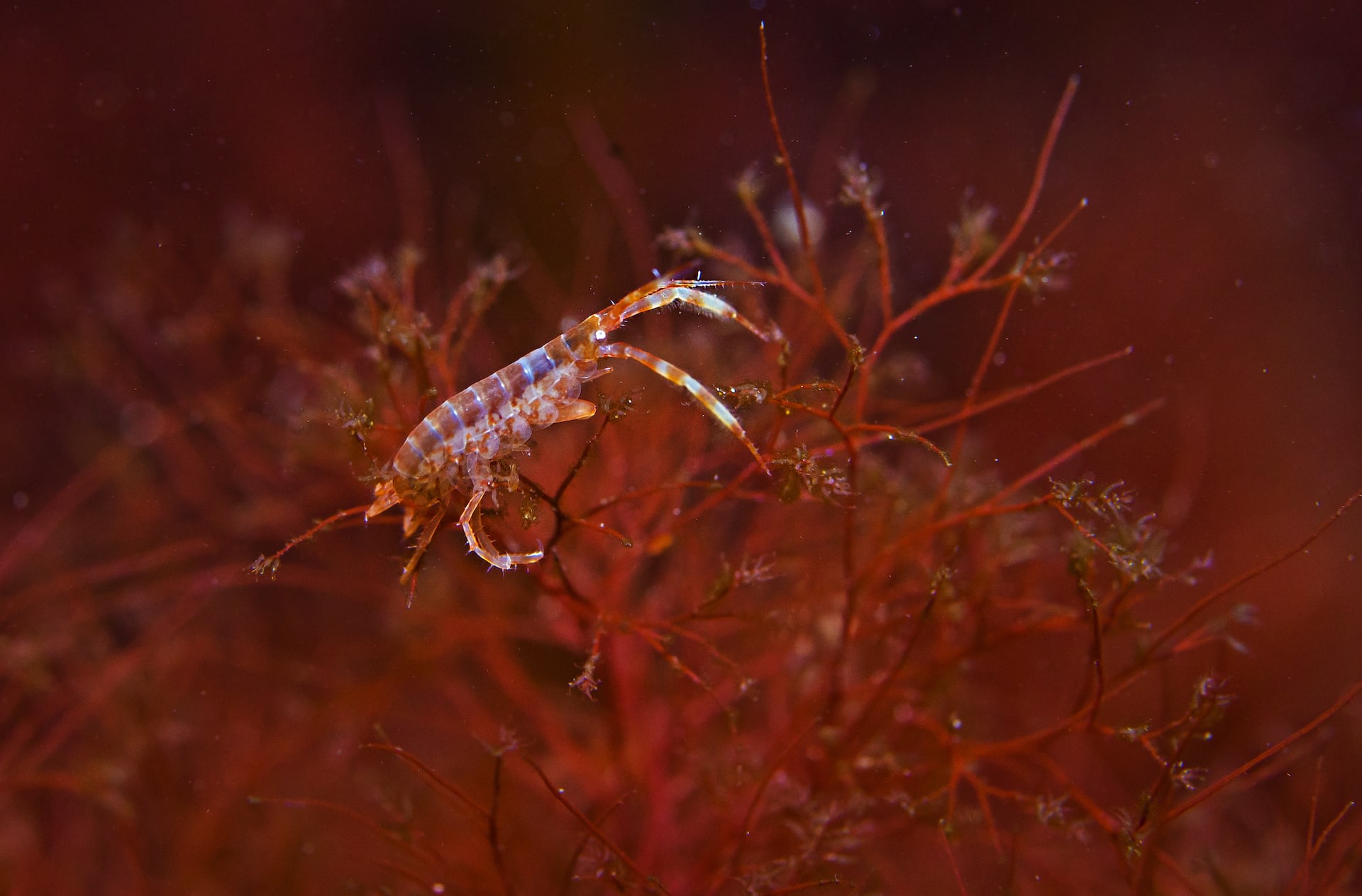
Crustaceans are a crucial part of this icy ecosystem. They might be small in size but they sustain a wide array of marine life, from fish as small as sculpins and sting rays, to mammals as large as whales.
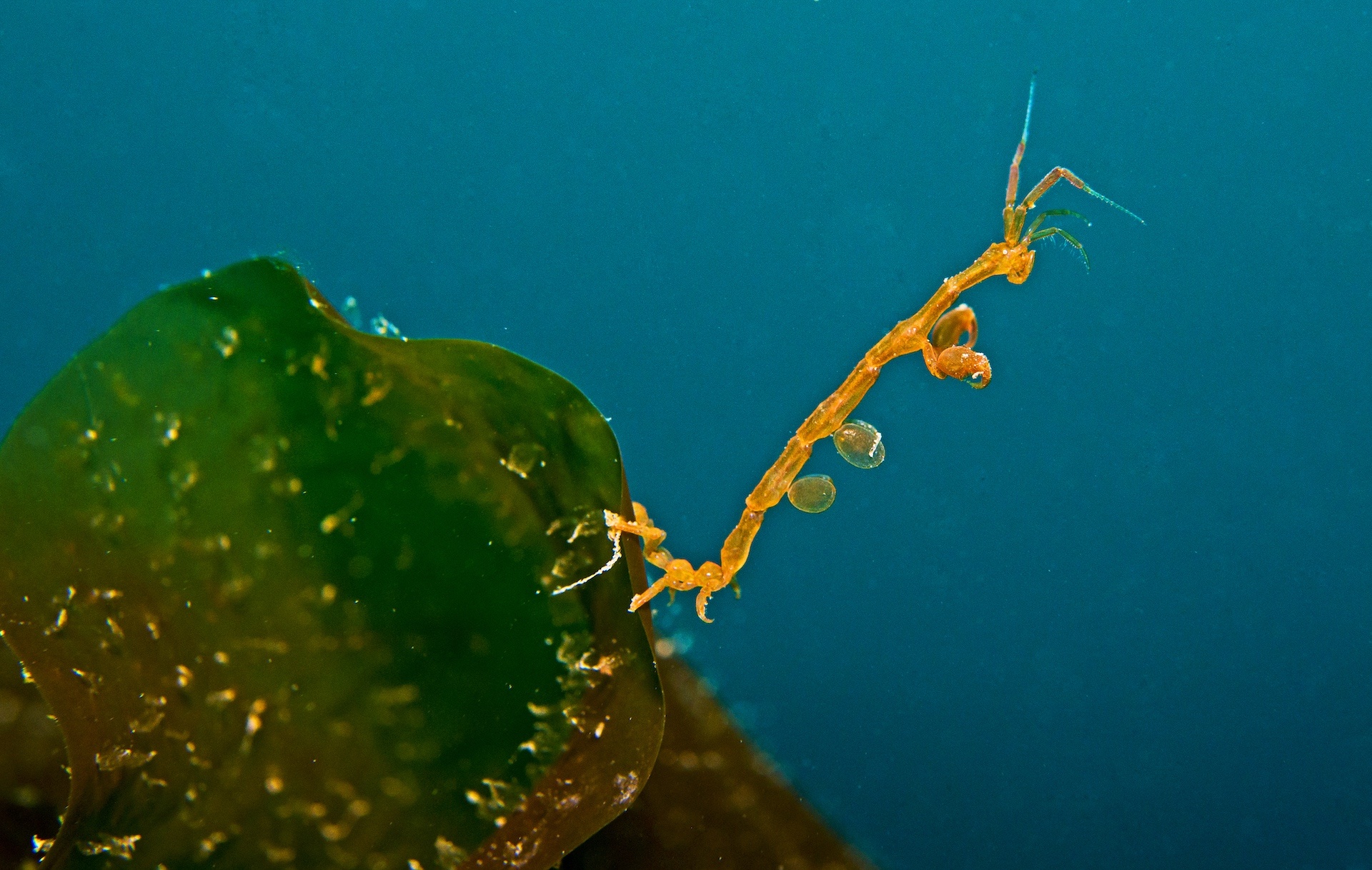
Some species of crustaceans, such as the ghost shrimp, are relatively new entrants to the habitat, brought to these waters from Japan, along with drifting seaweed. They spend much of their time amid marine flora, hunting for zooplankton to eat.

Adding pops of colour to the ocean, are nudibranchs, found pretty much across the planet, from the tropical waters of the Bay of Bengal, to the icy waters of the Arctic. Some species have the ability to ingest venom from prey—such as jellyfish or sea anemones—and store the toxins in their tentacle-like stingers.
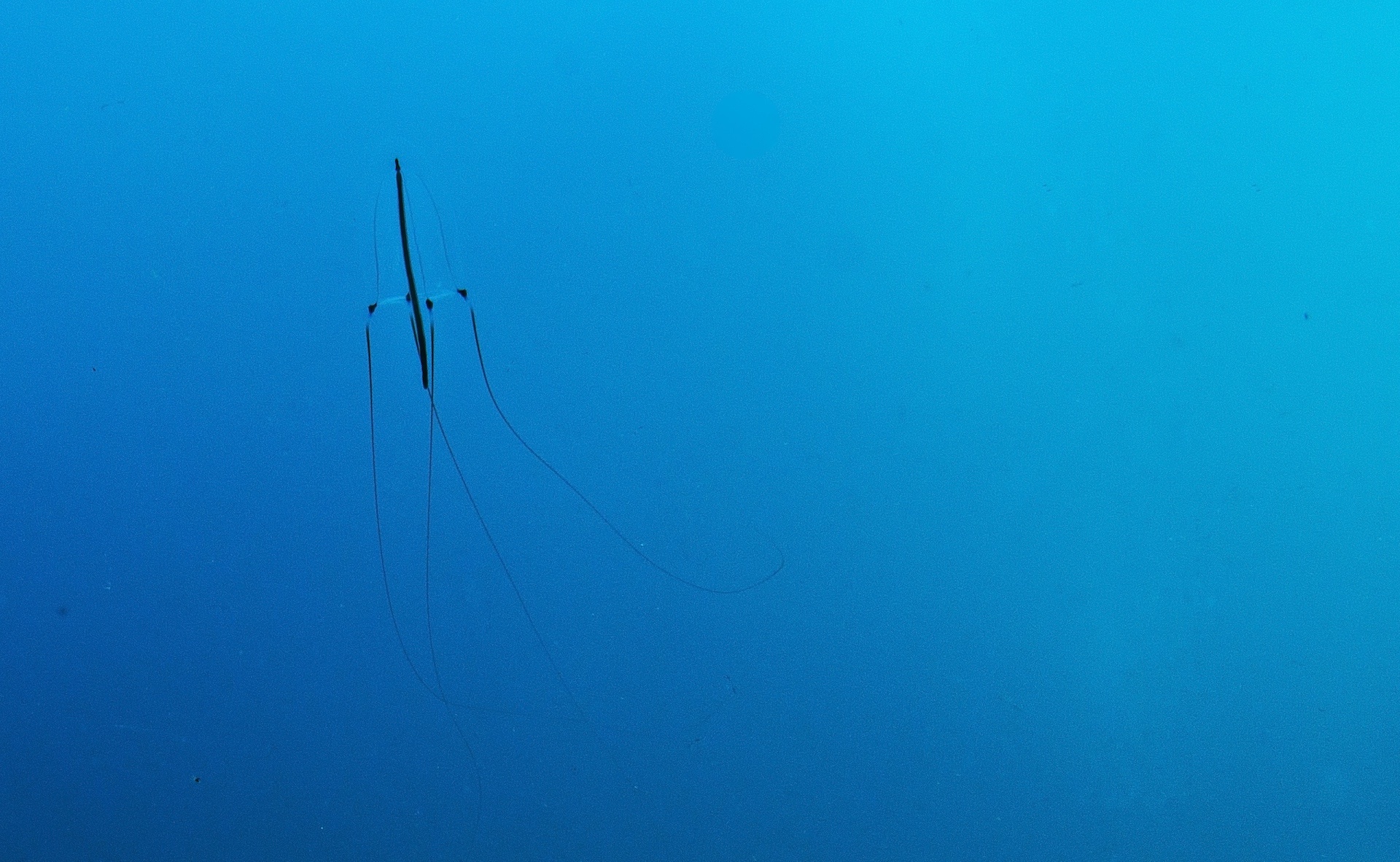
Jellyfish too are found across the world, and have been around for ages. Scientists have discovered marine fossils of jelly fish that are over 500 million years old, predating even dinosaurs. The species in Svalbard range from flamboyant specimen several feet in length, to jellyfish that are barely a few inches in size, like this one.

Much less common to see is the sea angel. A member of the sea slug family, sea angels are an ethereal sight, like tiny lanterns floating through inky skies. They are no larger than a fingernail.

United States
+1 (425) 454-2113
1756 114th AVE SE
Bellevue, WA 98004
India
+91-11 39585644
IT C-7 KMG Tower
2nd Floor, Sector 67,
SAS Nagar
Mohali – 160062, Punjab