


By Vineet VM

Dogs might be man’s favourite domesticated animal, but one particular species is considered an outcast. Just the name ‘Pariah dog’ brings upon frowns. Even the British in India called them ‘pye-dogs’, similar to their Hindi name pahi, meaning ‘outsider’!But with an estimated 59 million stray dogs found in India alone, we cannot afford to misunderstand these dogs.

Not all strays are Indian pariah dog, a term that refers to the native species found on the Indian subcontinent. Photo: Sustain Team
Pariah dogs are accustomed to living close to human settlements and feeding on discarded scraps. There was a time when their sharp noses and good hearing were put to use hunting big game, transforming these mid-sized scavengers into ruthless, persistent hunters. The Gond tribe in India were among the first to use these dogs to run down their prey, which included wild boar, deer and other medium-sized mammals.
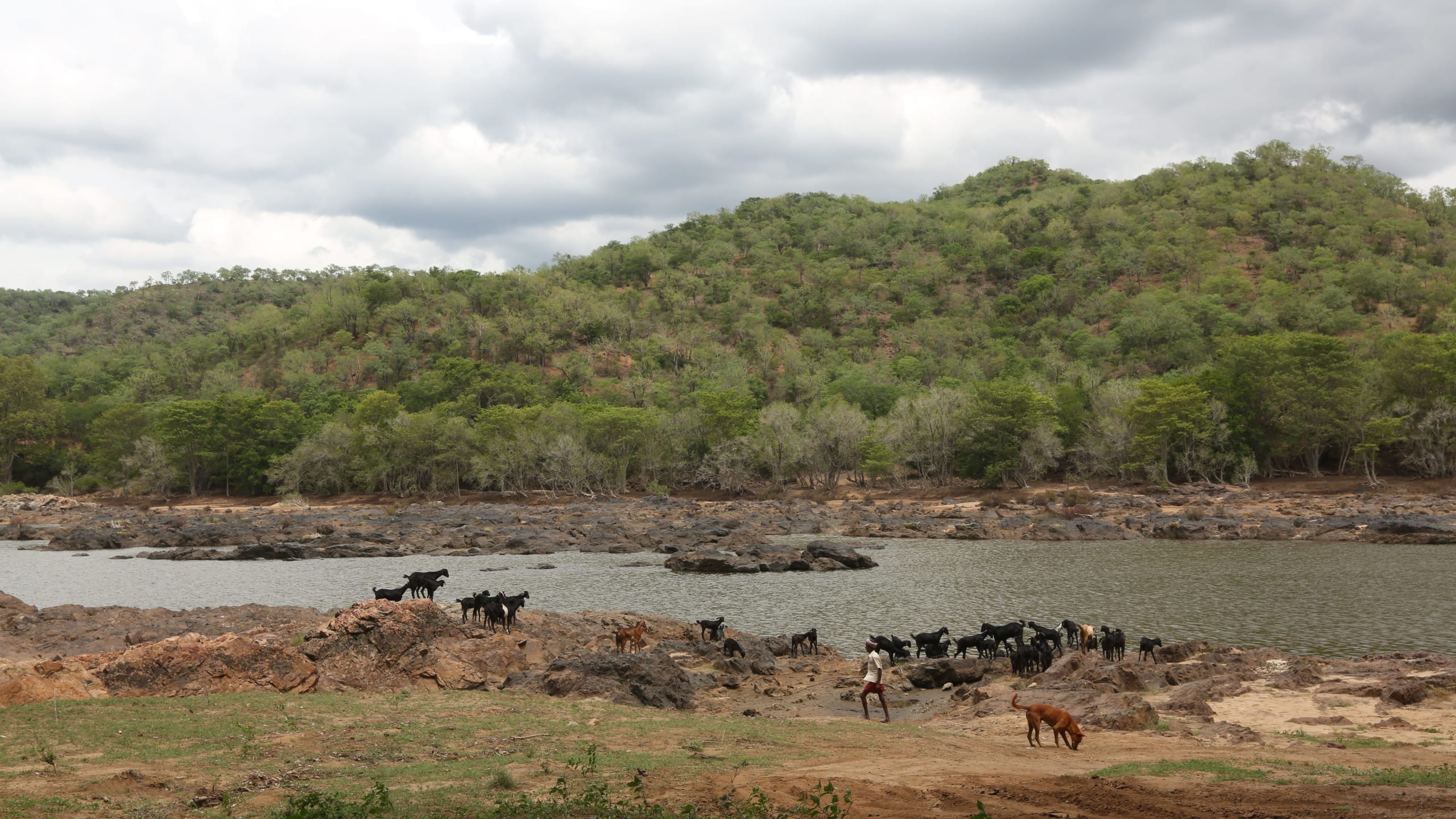
Pariahs are an adaptable species, built to survive Indian weather and terrain with little fuss. Photo: Sustain Team
The Indian pariah dog is friendly, as anyone who’s been approached by a stray can attest to. They’ll approach you bright-eyed, wagging their tails, hoping for a little snack, though mostly they are met with a stone or a slipper. These dogs are found on our roads, living in storm water drains and feeding off the remains of your recently devoured grilled chicken. They guard our streets at night for free and raid our garbage bins with glee. Many of us humans have adopted these pye dogs as pets, and in doing so, have found a best friend. But, we also need to talk about the problem they pose.
Pariah dogs are found everywhere: cities, towns, villages, protected areas, buffer zones, sanctuaries and national parks. Stray packs sometimes attack people or kill livestock. In fact, worldwide, pariah species have been responsible for the extinction of eleven species, including the Hawaiian rail and the Tonga ground skink.

The Indian Pariah dog is the progenitor of the Australian wild dog known as the dingo Photo: Sustain Team
Strays found near forest areas pose a bigger threat. The Serengeti National Park in Tanzania lost one third of their lion and spotted hyena population in 1994 to canine distemper; a disease passed on from dogs found living around the park. This is a problem in India as well and one we need to address now, before we start adding to that species extinction list.


United States
+1 (425) 454-2113
1756 114th AVE SE
Bellevue, WA 98004
India
+91-11 39585644
IT C-7 KMG Tower
2nd Floor, Sector 67,
SAS Nagar
Mohali – 160062, Punjab

