


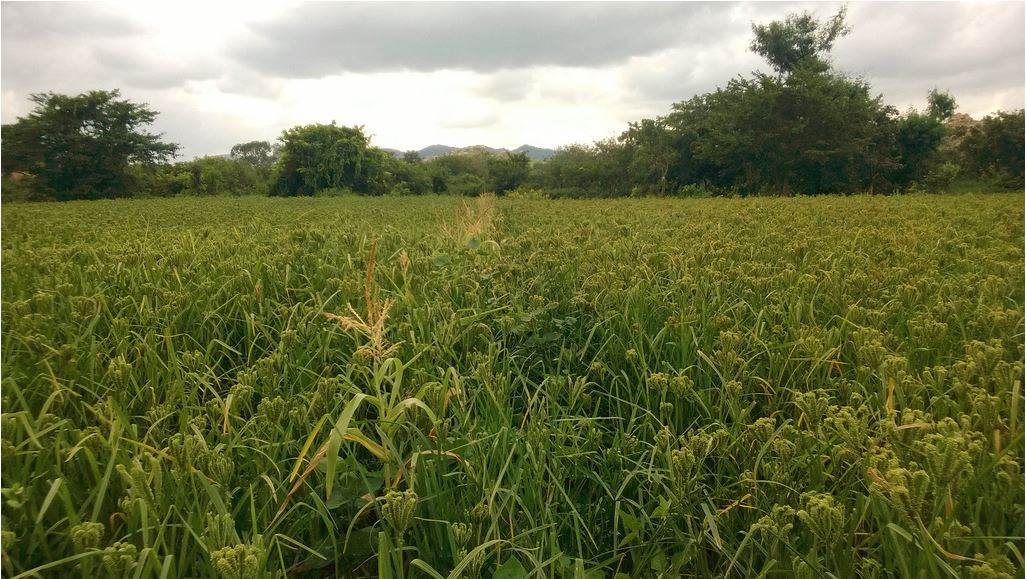
Millets cost much less than quinoa and couscous, and almost as nutritious. Photo: Nanditha Chandraprakash
Millets are having a moment in the spotlight. They’re on restaurant menus, Instagram dinners, and Indian cookbooks; food writers and nutritionists are touting their many benefits, and on television shows, celebrity chefs and bakers are crafting everything from bisi bele bhath to dark chocolate brownies from the humble grains.
They’re gluten-free, high in fibre and low on sugar: the holy trinity for health geeks and those diagnosed with diabetes. But what about the environment? Are millets actually as good as environmentalists say they are? For answers, we turned to Siddhartha, writer, social activist, and founder of the Fireflies Ashram, just outside Bengaluru. Siddhartha describes himself as an earth-spiritualist, and has spent many years working with food growers and policy-makers on tackling issues around climate change. Here, he discusses millets, farmers, and the Cauvery water crisis.

Siddhartha is a writer, social activist and environmentalist who works with farmers to promote millets. Photo: Nanditha Chandraprakash
How did you start working for the environment?
I got interested in social work as a teenager studying in Madras’ Loyola College. We went to villages and slums to understand social issues, influenced by educationists like Paulo Friere. It’s only in the last 20 years or so that we realised that the environment is a biting issue. That’s when we started a field programme near Kabini where there is work in progress with farmers to promote millets.
Why the stress on growing millets?
To save water. Millets need so much less water to grow. A kilo of rice uses more than 3,000 litres of water whereas a kilo of ragi uses about 800 litres. The only way you can solve issues like the Cauvery River water dispute is by shifting from paddy, sugarcane, and other water-intensive crops to millet cultivation. Unfortunately, it’s such a political issue, no politician raises it.
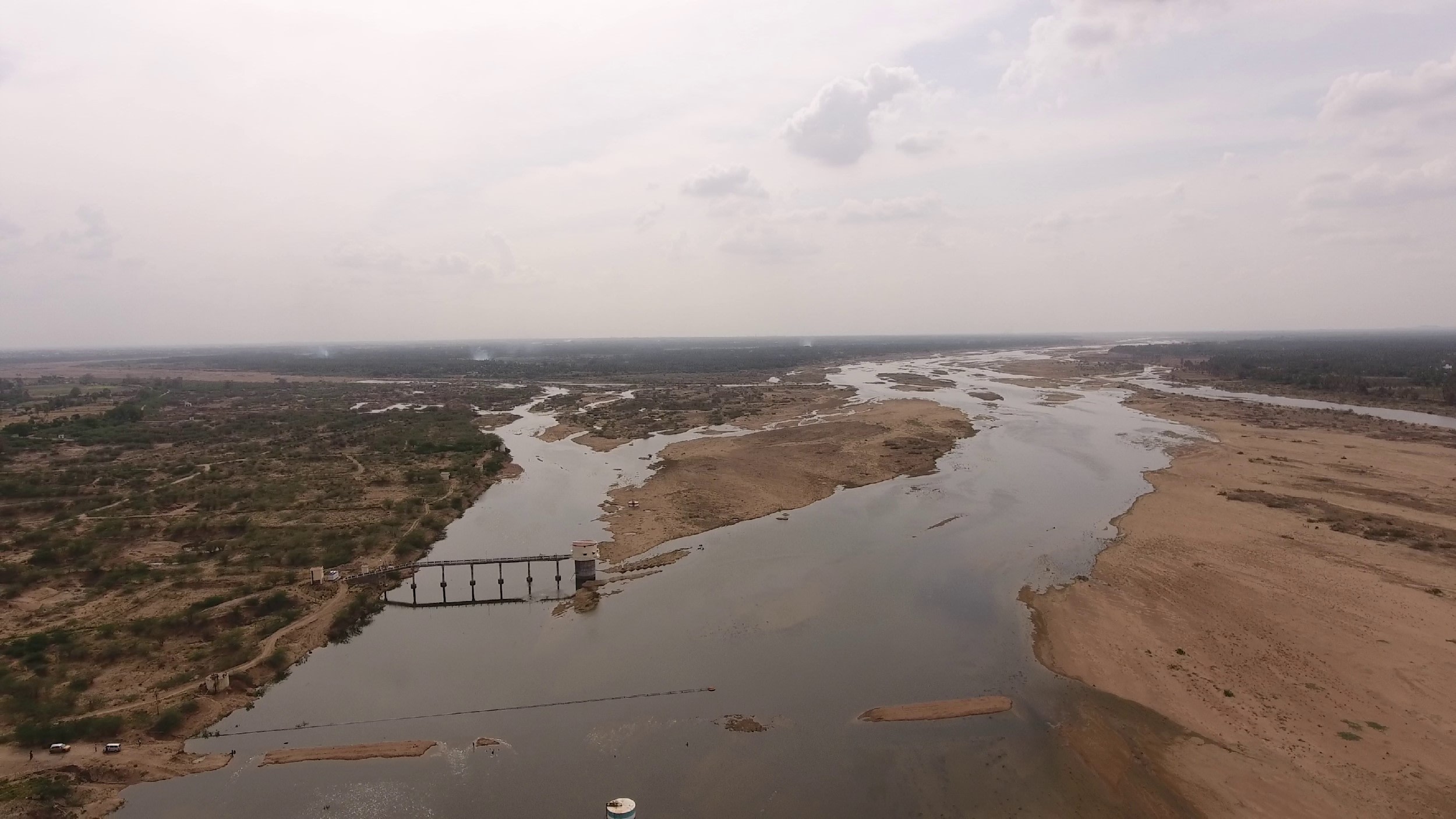
Forever a hot topic on news channels in South India, the Cauvery River is sometimes called the Dakshina Ganga. Like its northern sibling, the Cauvery too has borne the brunt of her popularity with humans. Photo: Sairam Sagiraju
What are the other reasons for millets to be promoted?
Millets are mostly grown without using pesticides as they are hardy crops. They can also survive both heavy rains and droughts, which is rather helpful in current times.
For long, farmers have got used to growing rice and other foods popular with the consumers. Are they ready for a change?
Paddy and sugarcane fetch a better price for the farmers, so their minds are set on growing them. But they have to slowly become aware. Maybe the solution will be for the government to raise the price of millets, making it remunerative for the farmers.
Although the general awareness on climate change is very low, farmers have definitely begun to see that the climate is fluctuating. It doesn’t rain when it needs to, and at other times, it unexpectedly pours and destroys crops. They see the change in the weather pattern and wonder how they can adapt to this. One adaptation would be to grow millets.
You have been part of alliances promoting millets in Karnataka. Tell us about this.
We have concentrated on encouraging farmers to grow ragi around Nagarhole, and have a network of people who are dedicated to promoting millets. We campaigned in the state, met some members of parliament, and succeeded in getting millets into the public distribution system. Karnataka became the first state to do so.
Alongside promoting millets, we have climate education with the Adivasi communities of Nagarhole. We teach children and youth around about climate change and the environment.
There are many organisations, big and small working towards popularising millets. The most prominent is the Millet Network of India. Another prime influence is P.V. Sateesh from Hyderabad who has really been in the forefront to promote millets.
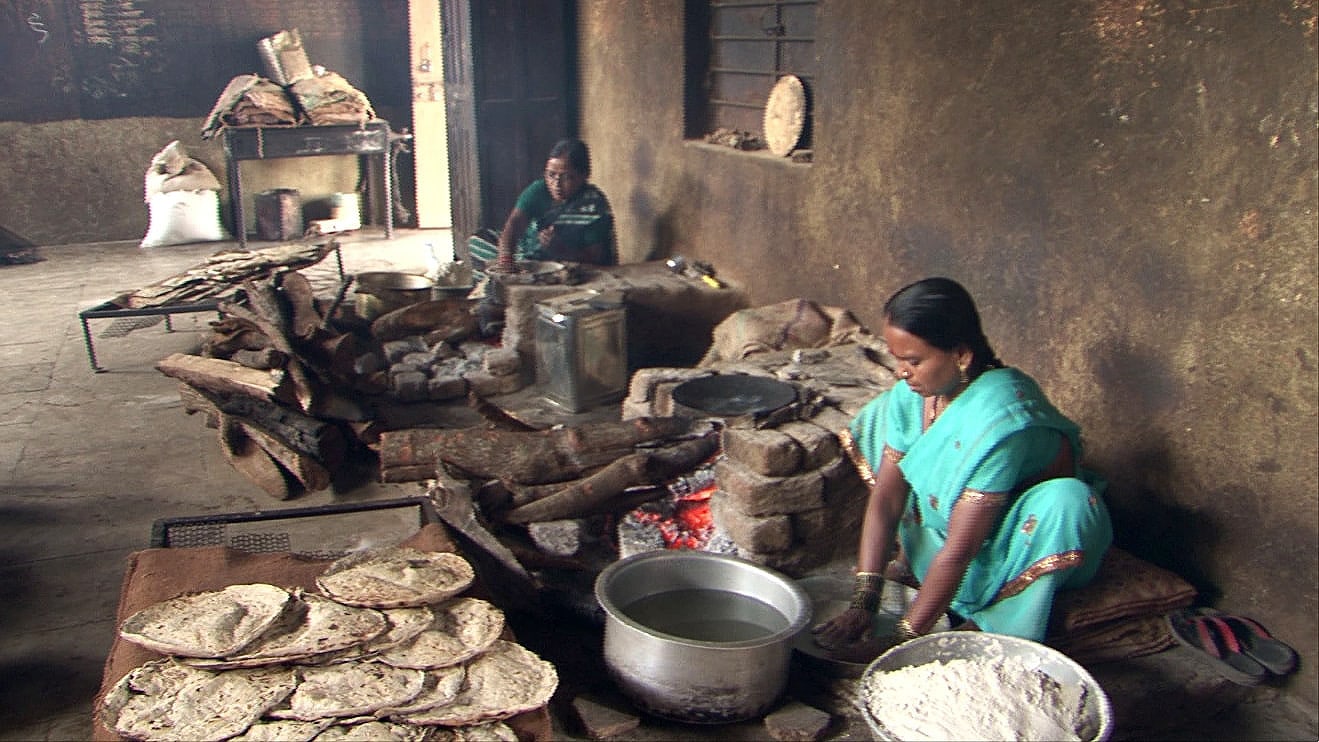
There are many kinds of millets in India. They can be used whole or ground into flour, to make chapatis, dosas, idlis, even puris. Photo: Flickr/Harvest Plus
Tell us about the consumer’s role. Now that the trend of healthy diets has brought millets back to the commercial shelves, what’s the next step?
The nutritional value of millets is four to five times that of rice or wheat, so schools, colleges and hostels should be encouraged to use millets in their meals. I once ate at a small eatery that used foxtail millets in its idlis and curd rice instead of rice. These are important initiatives.The awareness about climate change among consumers is also still low. Understanding it is a process, and we must intensify that process.
The lifestyle, in general, has to change a little.
The big issue is –can we change our understanding of what “the good life” is? For a few generations now, we’ve been groomed to believe that life is what we can buy at the shopping mall, or owning one or more cars. That’s not true, because you can live sustainably and live a happy life without any of this. Sit down and re-think our world view and who we are. Your relationship with people equals your relationship with the earth.

United States
+1 (425) 454-2113
1756 114th AVE SE
Bellevue, WA 98004
India
+91-11 39585644
IT C-7 KMG Tower
2nd Floor, Sector 67,
SAS Nagar
Mohali – 160062, Punjab


